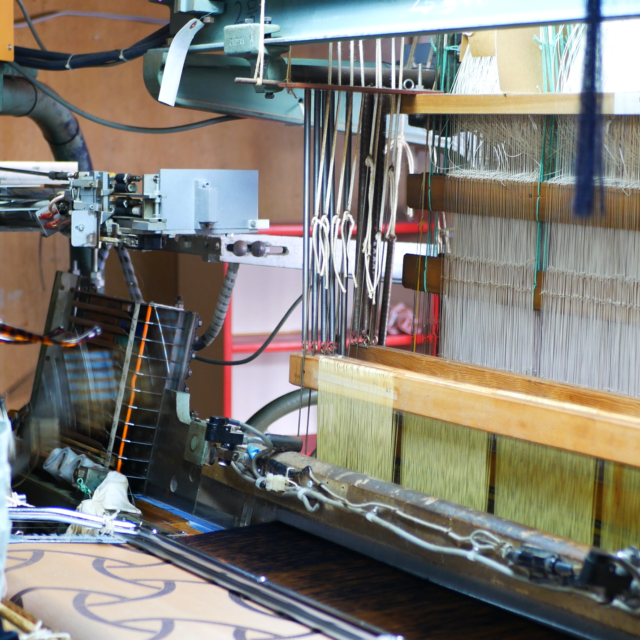
Nurtured by the Sound of Weaving|Okamoto Orimono’s Cooperative Workshop in Kyōtango – Nunohira
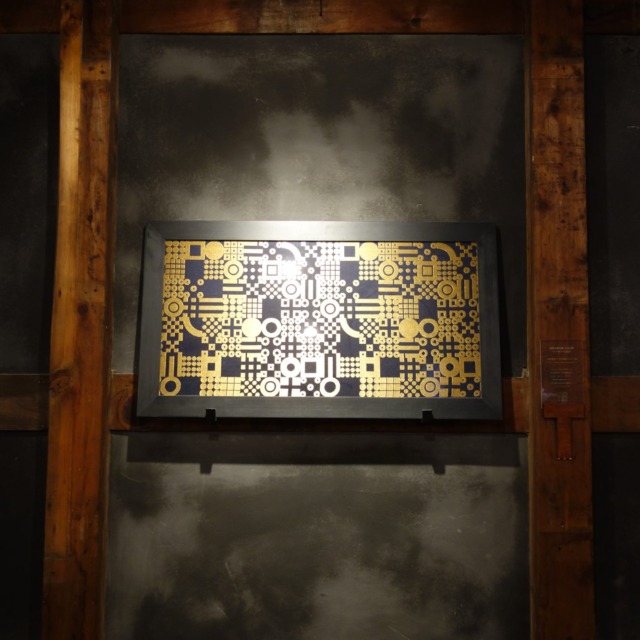
Selected for official gifts and cultural institutions worldwide. Please contact us if you would like to discuss materials, scale, and intended use.
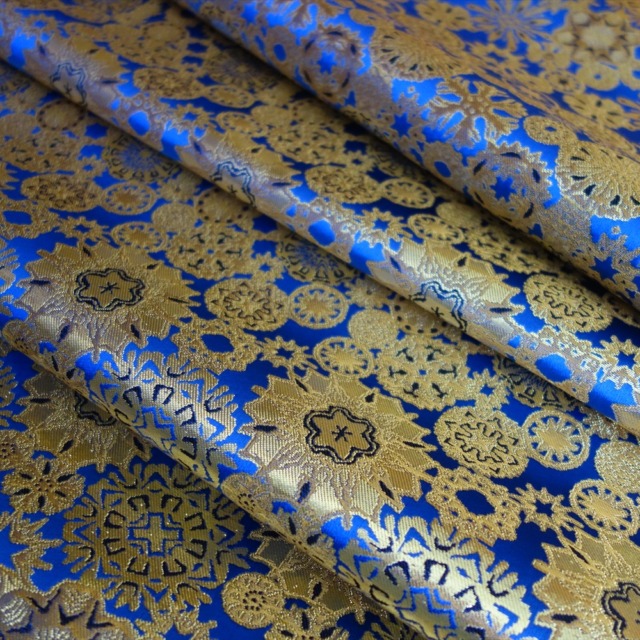
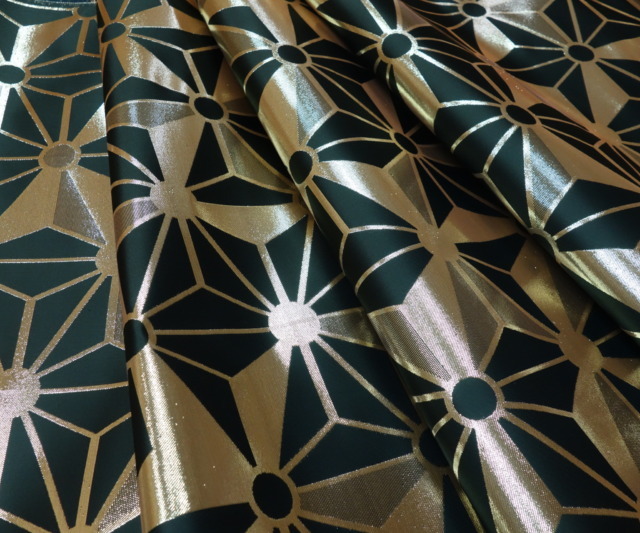
New designs by Nishijin Okamoto, shaped for contemporary settings.
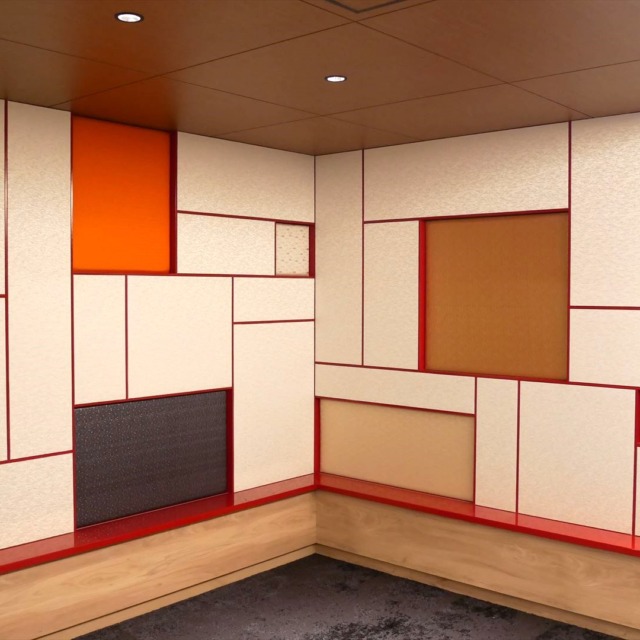
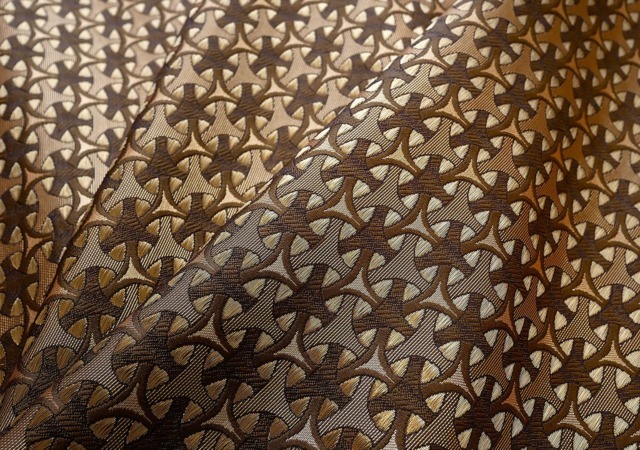
Textiles that lend space a quieter luxury and presence.

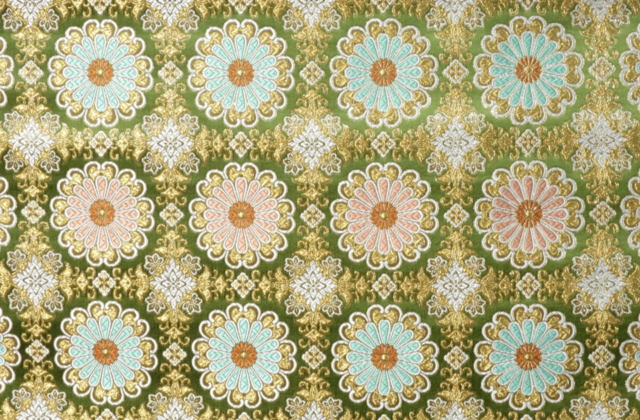
Nishijin kinran brocade brings depth and subtle radiance to a room.

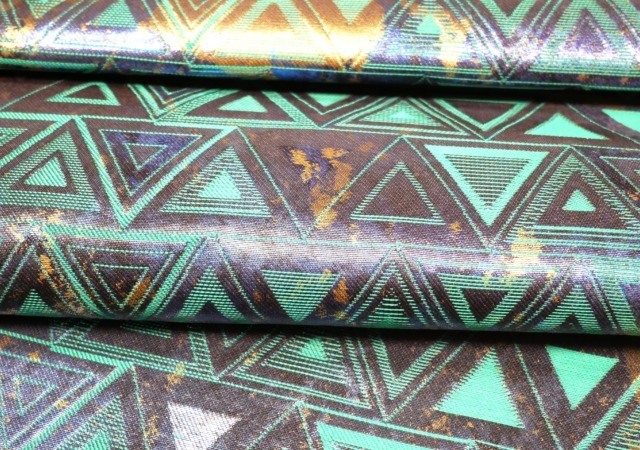
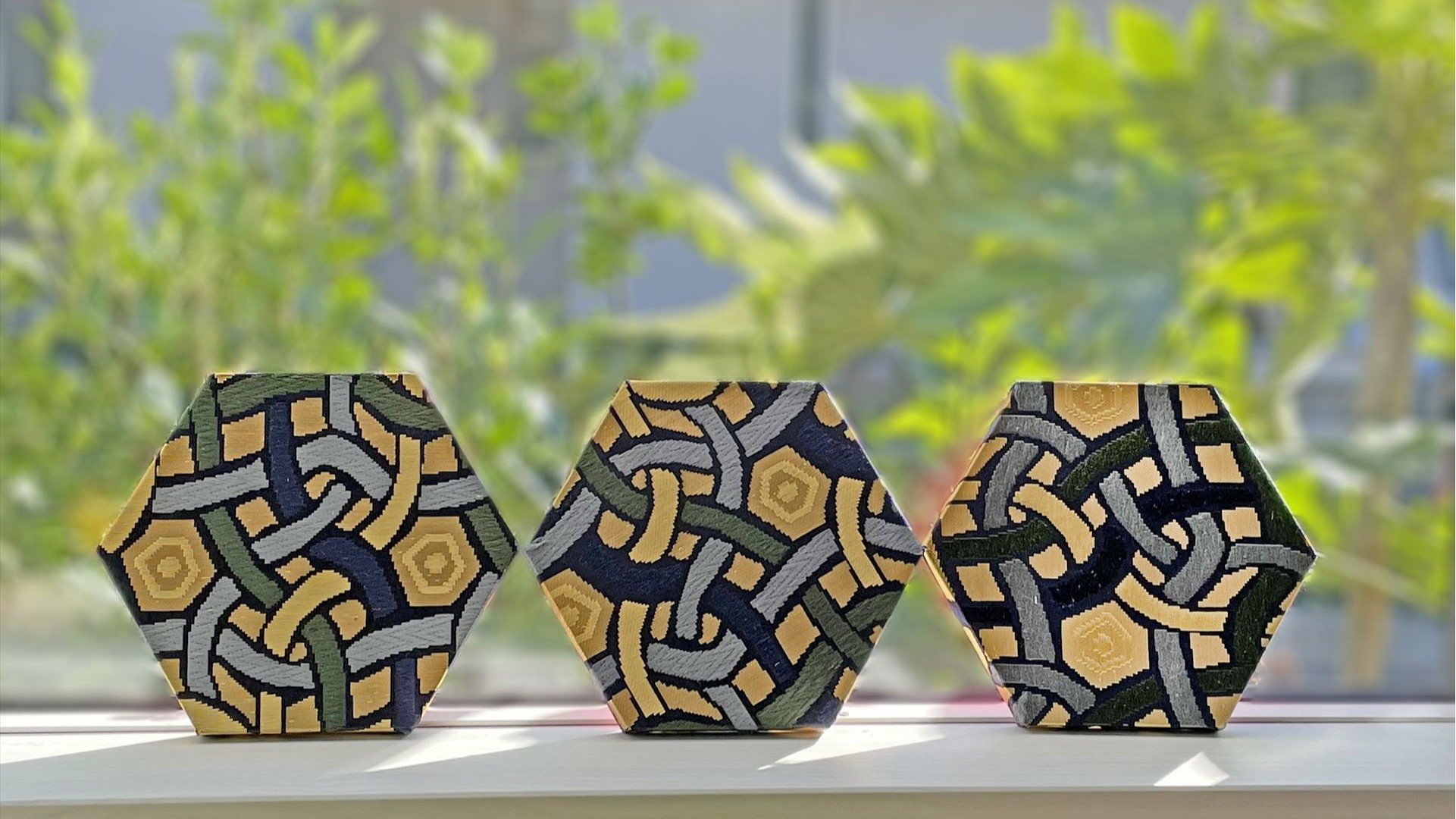
Kinran in smaller forms—made for everyday use and gifting.
Nurtured by the Sound of Weaving|Okamoto Orimono’s Cooperative Workshop in Kyōtango – Nunohira
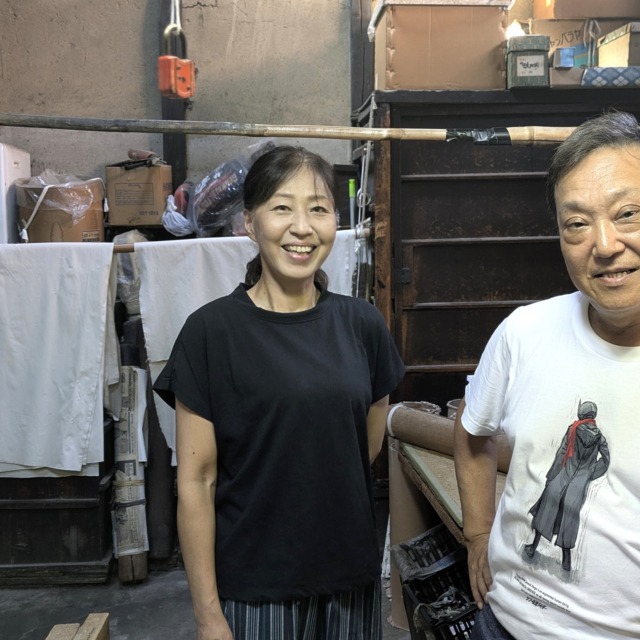
Enhancing the Beauty of Nishijin Weaving|The Pride of a “Hari-ya” – Higuchi Kinran Seiriteiten
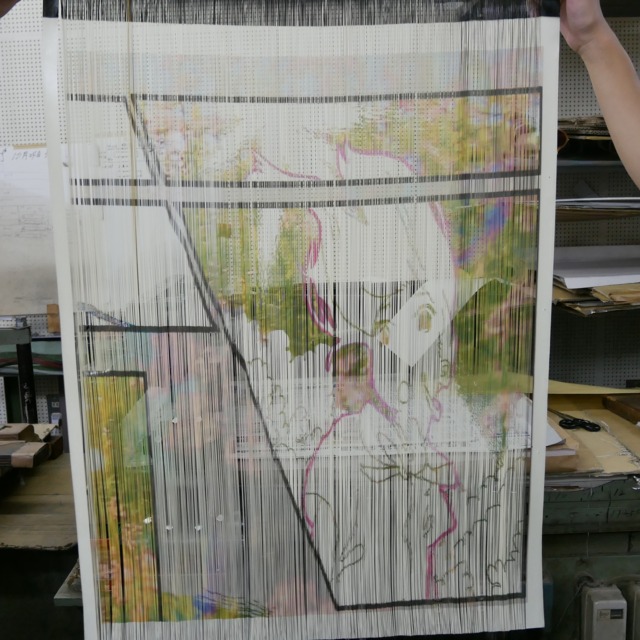
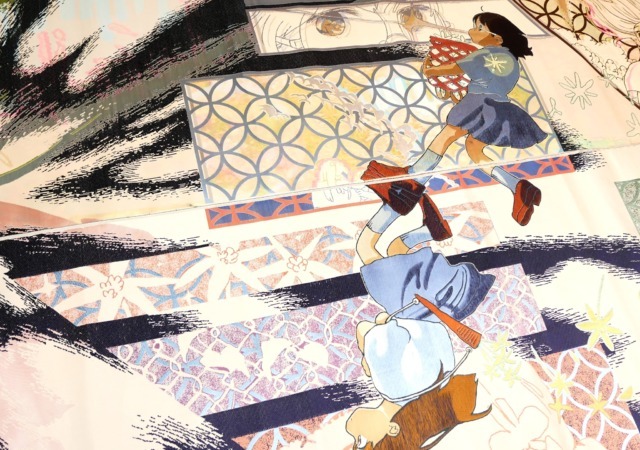
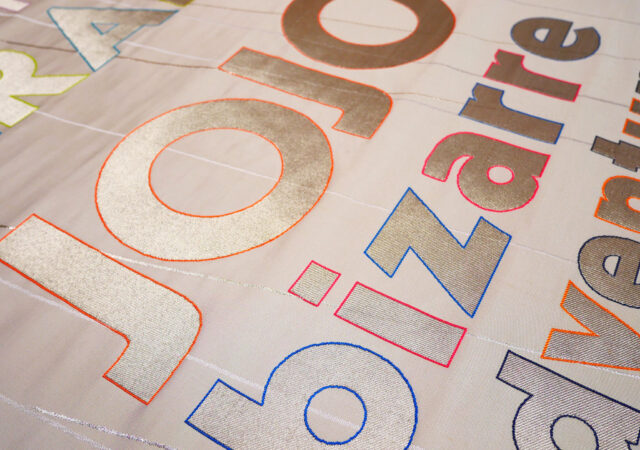
Traditional Craft × MANGA Pop Culture | Weaving a New Nishijin with Granyuto
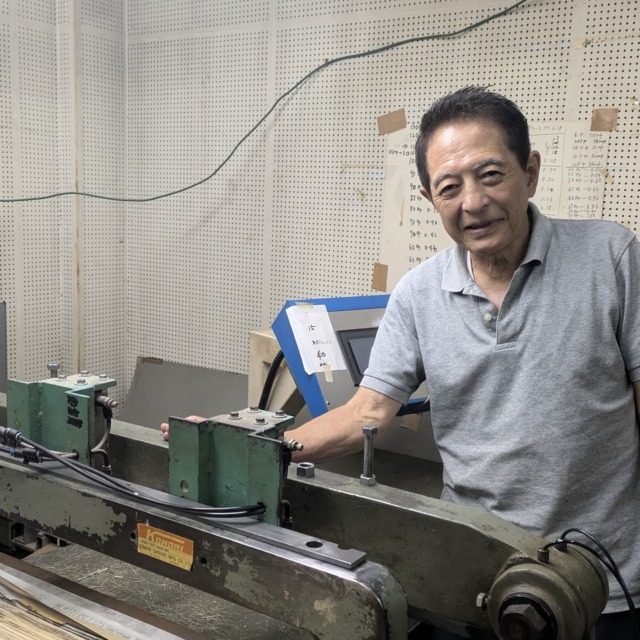
Rare Process in Nishijin Weaving: The Artisan Skill of Hikibaku Cutting at Takeuchi Studio
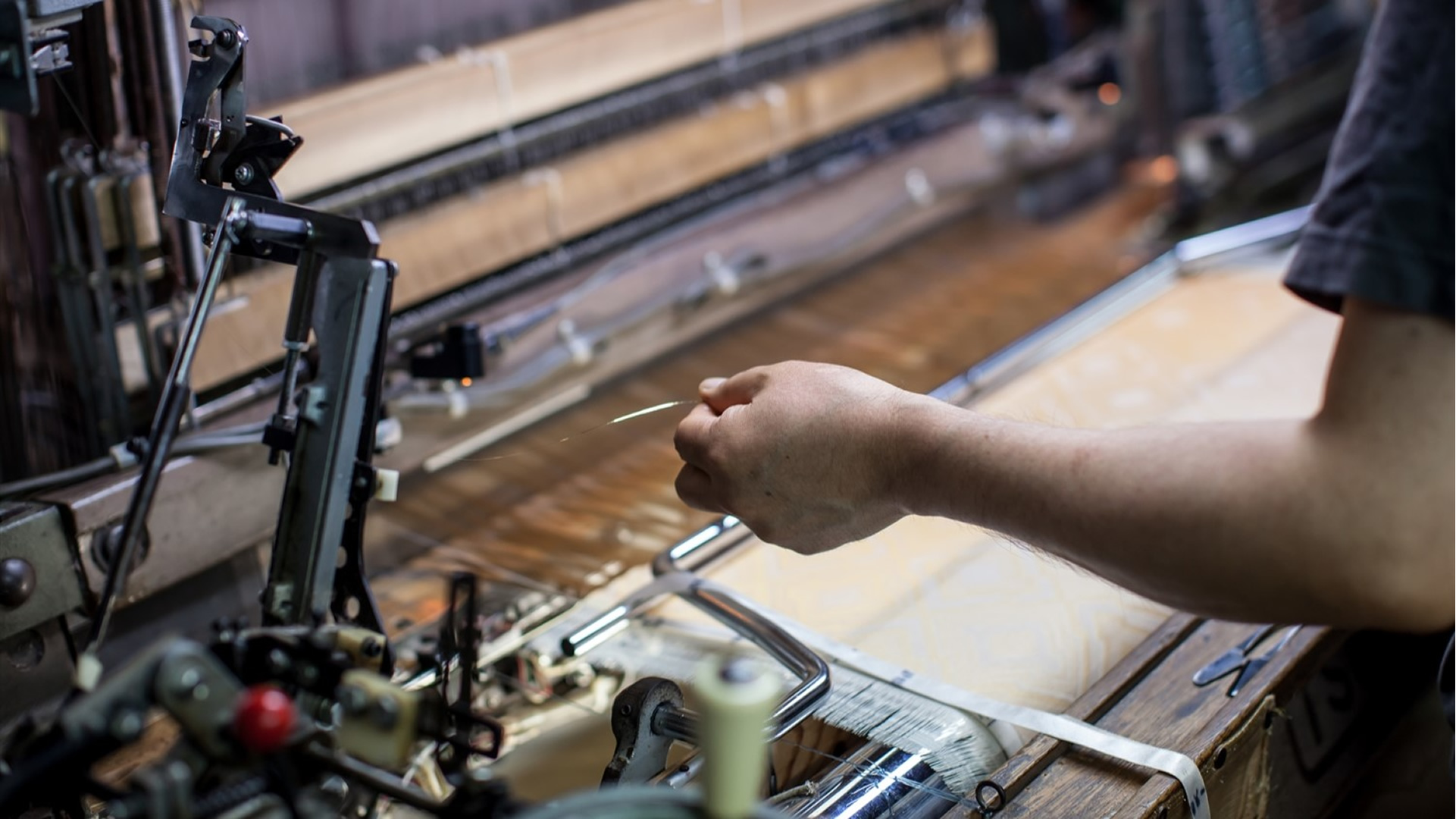
We want to share the sound of Nishijin hand-weaving
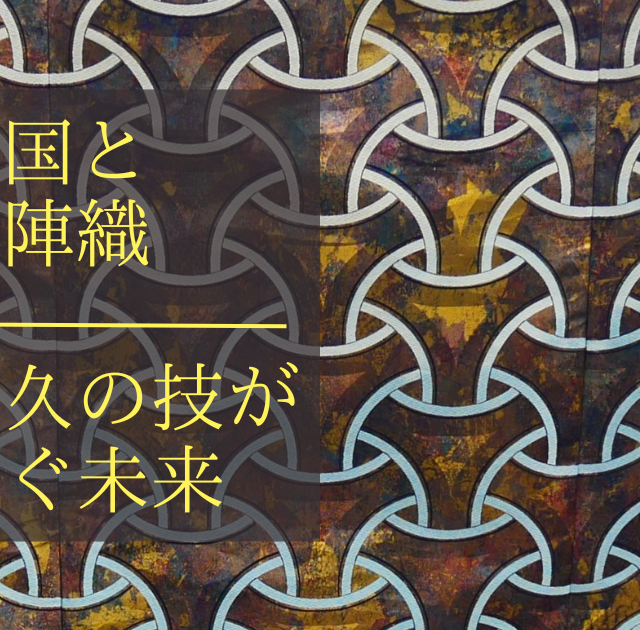
China and Nishijin Kinran Brocade fabric: The Future Woven by Time-Honoured Techniques

The breath of Nishijin weaving on YouTube
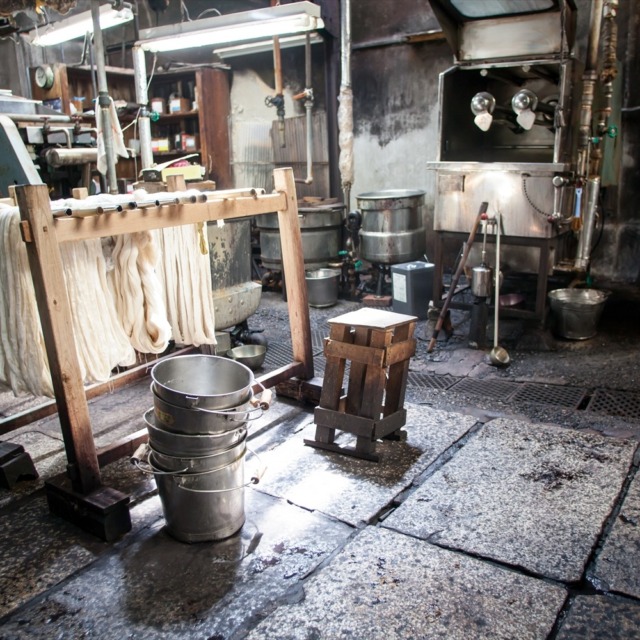
Thoughts on Nishijin Craftsmanship

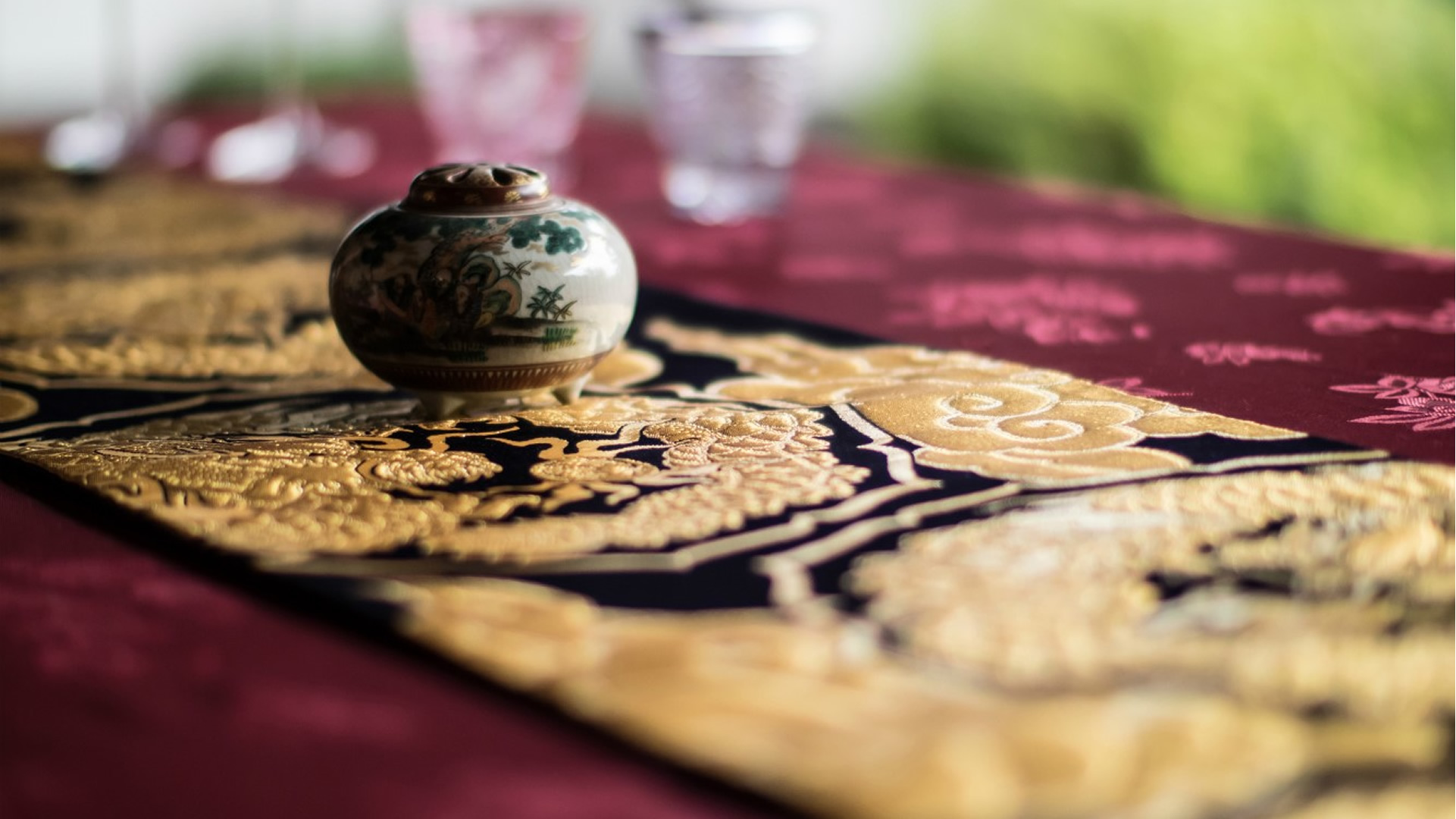
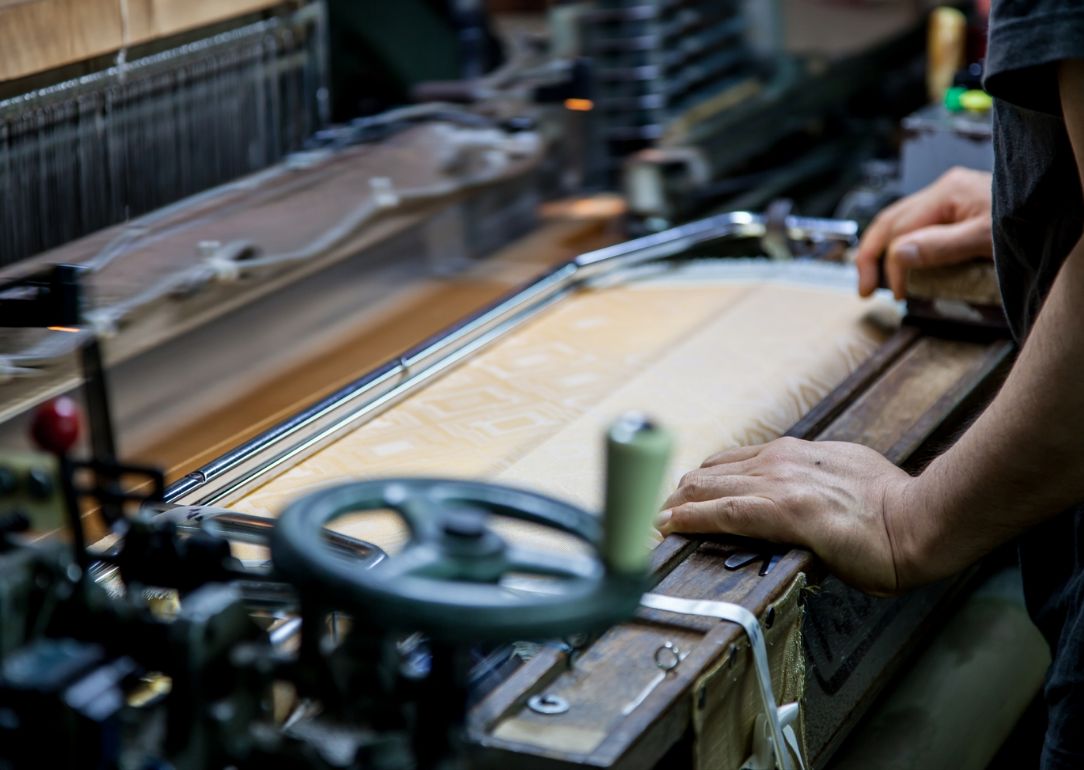
Okamoto Orimono (Nishijin Okamoto) is a Nishijin Kinran Brocade atelier based in Nishijin, Kyoto, working with metal foil and silk through the practice of weaving.
Nishijin Kinran is a sophisticated technique distinctive to this district, combining fine metal foil with silk threads.
Since our founding, we have produced textiles for shrines and temples, as well as fabrics tailored to specific architectural spaces and needs.
Today, we continue weaving with both shuttle and power looms, giving careful attention to materials and structure in every piece.
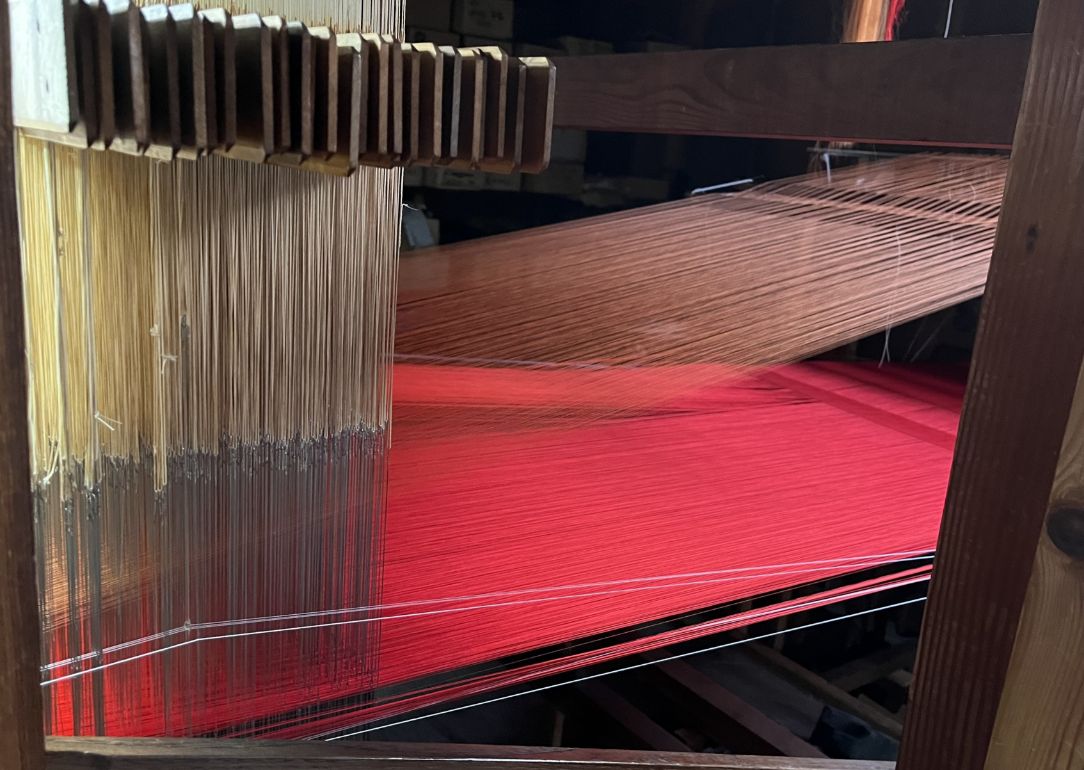
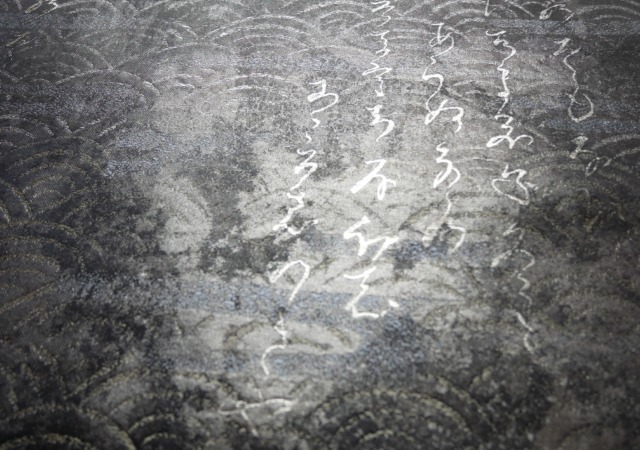
Kinran textiles are created by weaving threads wrapped in metal foil, resulting in fabrics that hold both a quiet luster and structural tension.
Evolving alongside the history of Nishijin, these textiles have long adorned ritual spaces and ceremonial settings, adding depth to Japanese culture.
Today, only a limited number of ateliers continue to work with this technique.
As one of them, we pass on not only the skills themselves, but also a considered approach to materials and the integrity of the process.
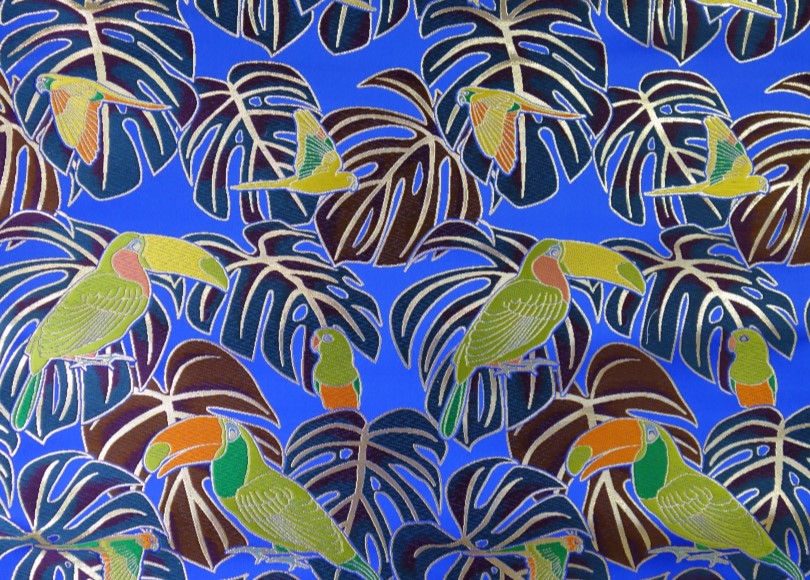
In the past, textiles woven for shrines and temples were created without the maker’s name being revealed.
Today, while grounded in traditional techniques, we explore new expressions of Nishijin Kinran for contemporary cultural and spatial contexts.
By extending our work into architecture, art, interior spaces, and cross-disciplinary collaborations, we continue to broaden the possibilities of our craft through textiles designed for specific purposes and narratives.
This website stores cookies on your computer. These cookies are used to provide a more personalized experience and to track your whereabouts around our website in compliance with the European General Data Protection Regulation. If you decide to to opt-out of any future tracking, a cookie will be setup in your browser to remember this choice for one year.
Accept or Deny