


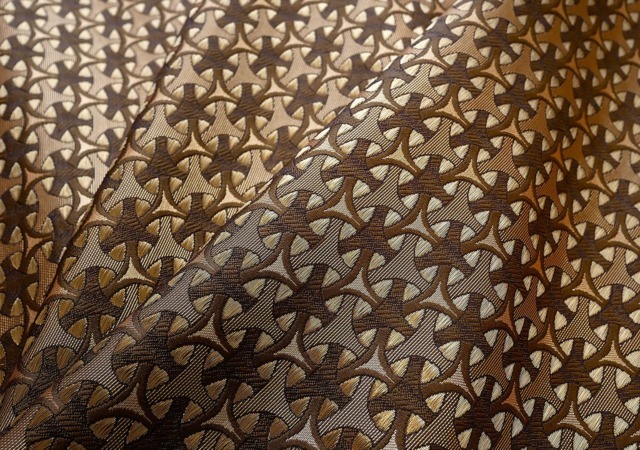
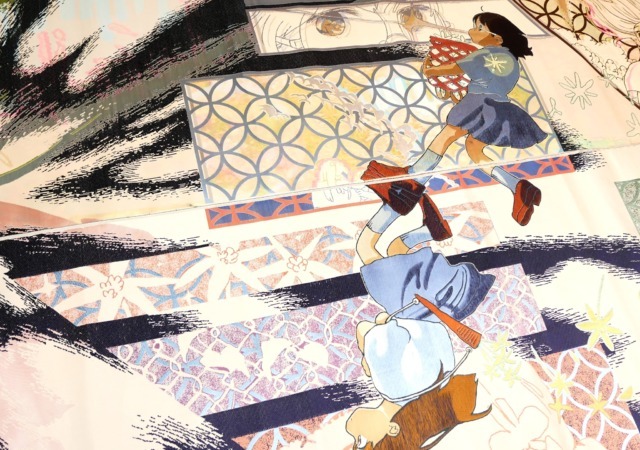
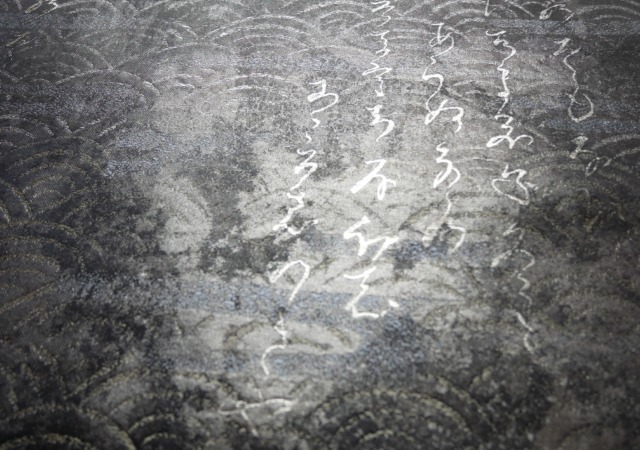
This work shows how handwoven Nishijin Kinran can engage with contemporary pop culture through material, structure, and craft.
This work is a special art piece created in handwoven Nishijin Kinran, commissioned by Shueisha through Kyoto Amplitude.
It was woven using pure platinum hikibaku and pure platinum thread, both made from 100% platinum foil and incorporated from the material planning stage onward.
From planning and design to weaving and nuitori (a hand-inserted weft technique) detailing, the piece was completed through a series of highly specialized processes.
For this work, we selected pure platinum hikibaku and pure platinum thread in response to the visual affinity with Star Platinum, the Stand of Jotaro Kujo in the series.
As both materials are now available only in limited quantities, their availability directly affects what can be produced.
For the visual reference of Star Platinum, please see the official page below.
Shueisha Manga-Art Heritage | Hirohiko Araki “JoJo’s Bizarre Adventure” Lithograph Works 1
About the Production
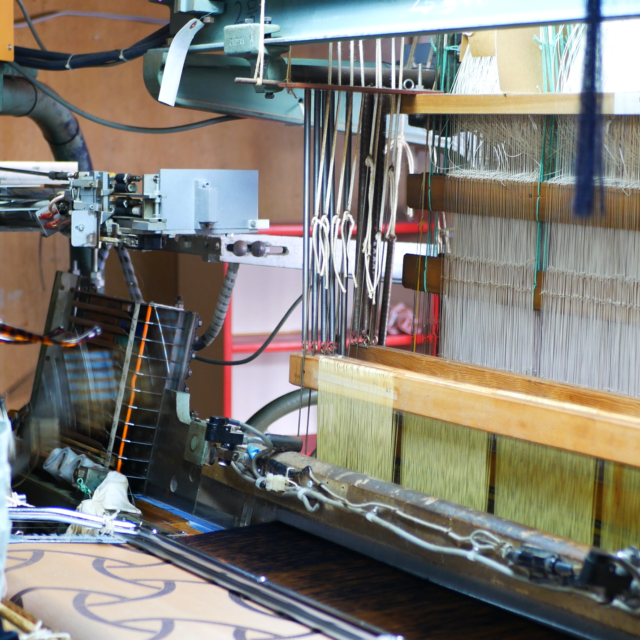
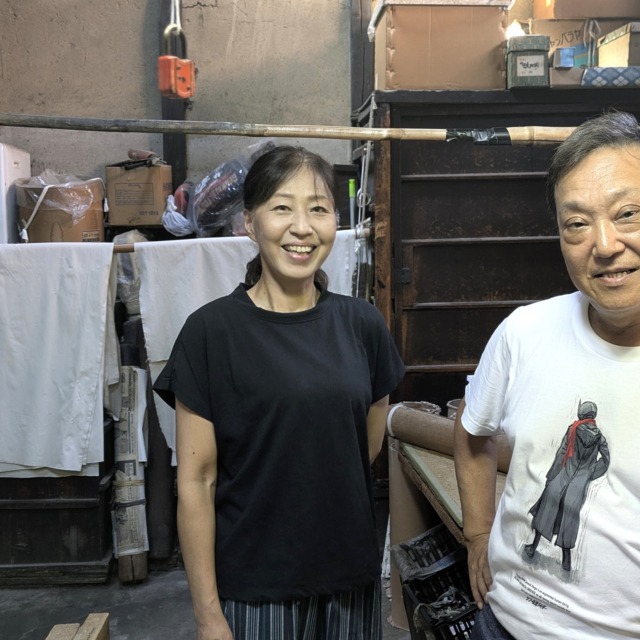
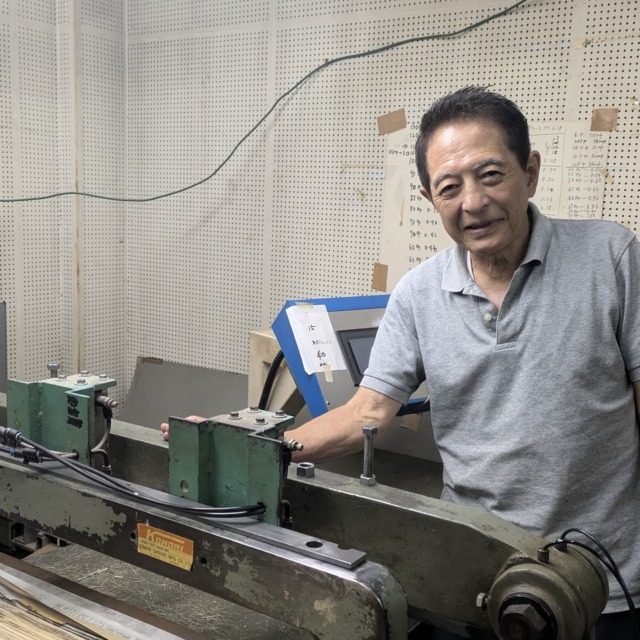
The weaving design data and the weaving itself were handled by Keiji Okamoto, our company representative and a certified traditional artisan of Nishijin weaving.
This piece was produced as a one-of-a-kind handwoven silk textile, using pure platinum hikibaku and pure platinum thread in a special specification.
Note: This work was produced as an art piece for exhibition under the supervision of Shueisha.
Handwoven Nishijin Kinran | JoJo’s Bizarre Adventure
Exhibition Views
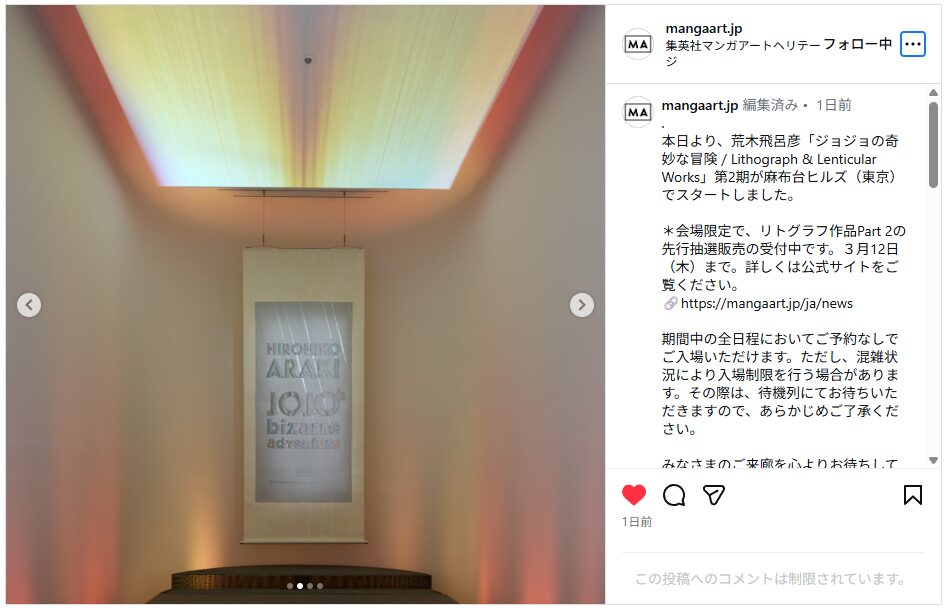
Below is an installation view introduced on the Instagram of Shueisha Manga-Art Heritage, showing the work exhibited at the Shueisha Manga-Art Heritage Tokyo Gallery.
The following post from Shueisha Manga-Art Heritage on X shows the work displayed at the Hakushoin of Higashi Hongan-ji Temple.
The textile we produced was mounted as a hanging scroll by a Kyoto hyōgushi (traditional scroll mounter) and installed in the tokonoma alcove of the room.
X
What This Production Achieved
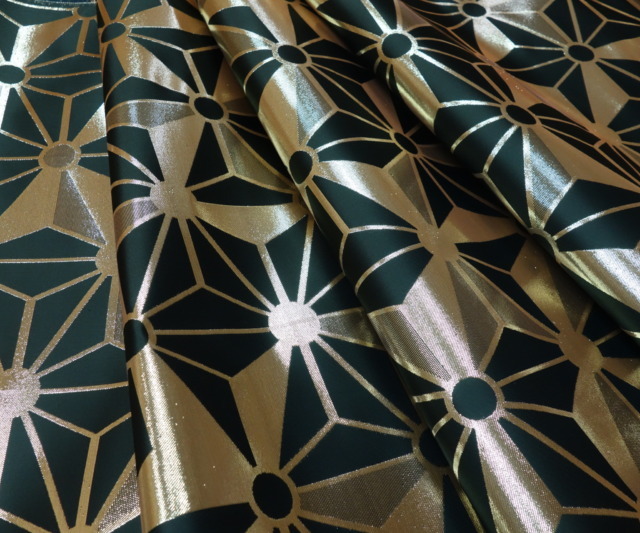
The core materials of this work are pure platinum hikibaku and pure platinum thread, both made from 100% platinum foil.
Its silver-white light is restrained rather than flashy, shifting quietly with angle and distance to create depth within the space.
- Pure platinum hikibaku: woven across the full width of the textile so that only selected parts of the image appear on the surface
- Pure platinum thread: inserted by hand as nuitori detailing to form selected outline lines and motifs
- Weaving: one-of-a-kind production on a handloom
A textile designed with pure platinum hikibaku across the entire surface does not show its value only in surface brilliance. Its density is built into the body of the cloth itself.
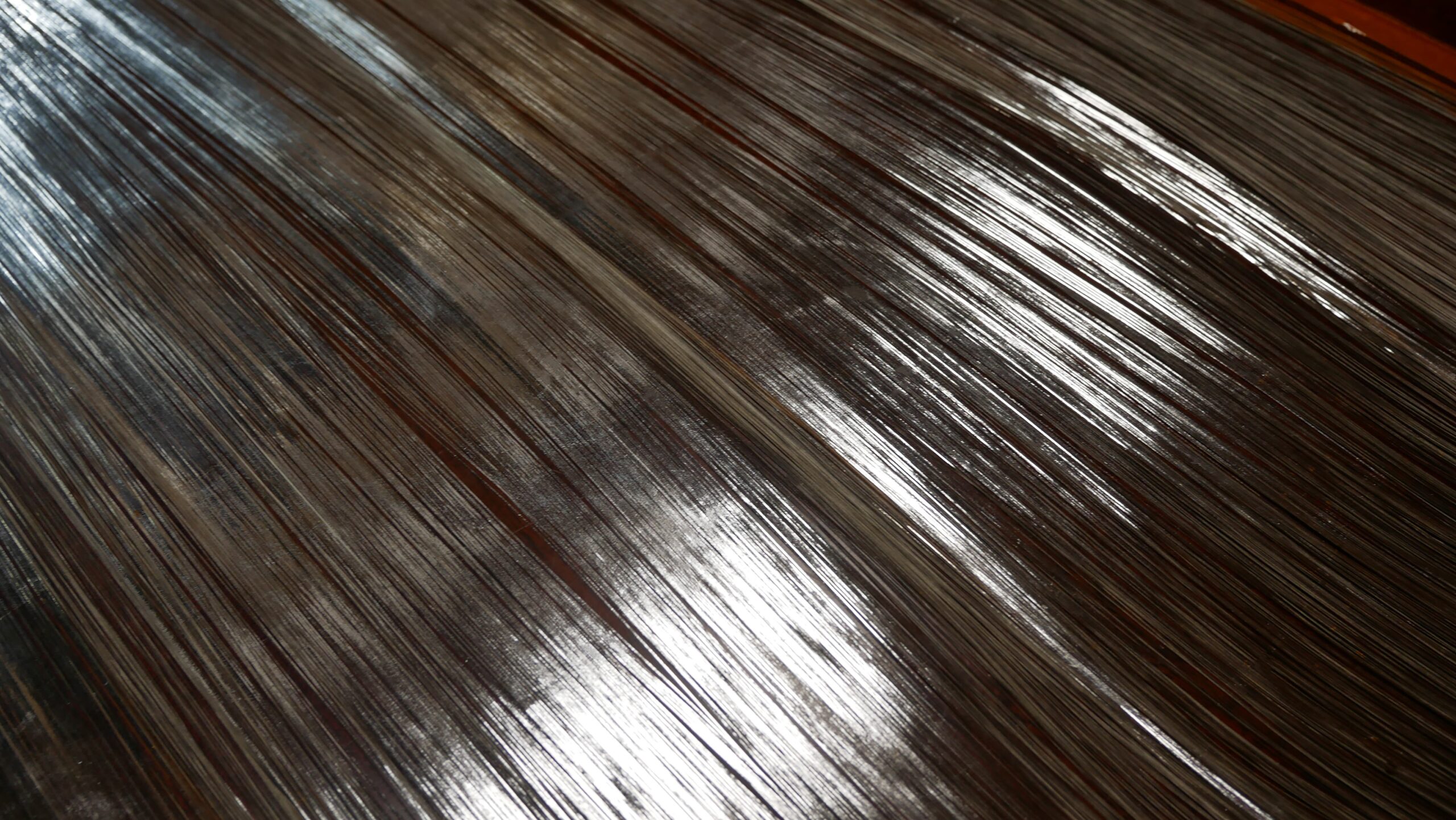
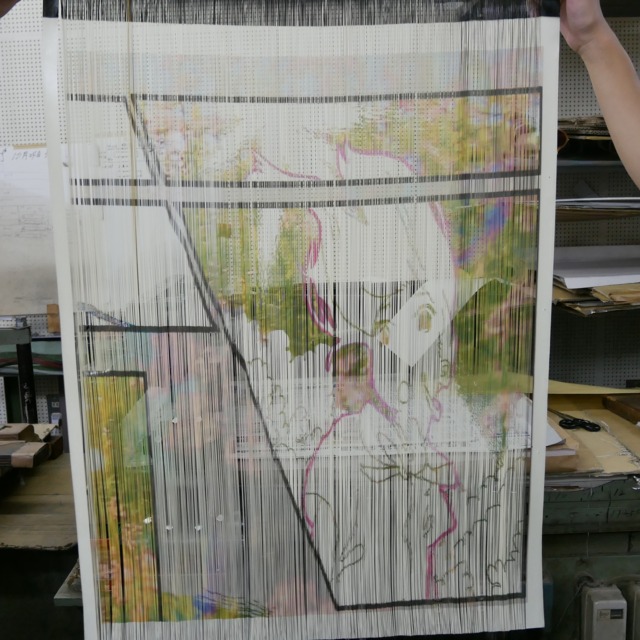
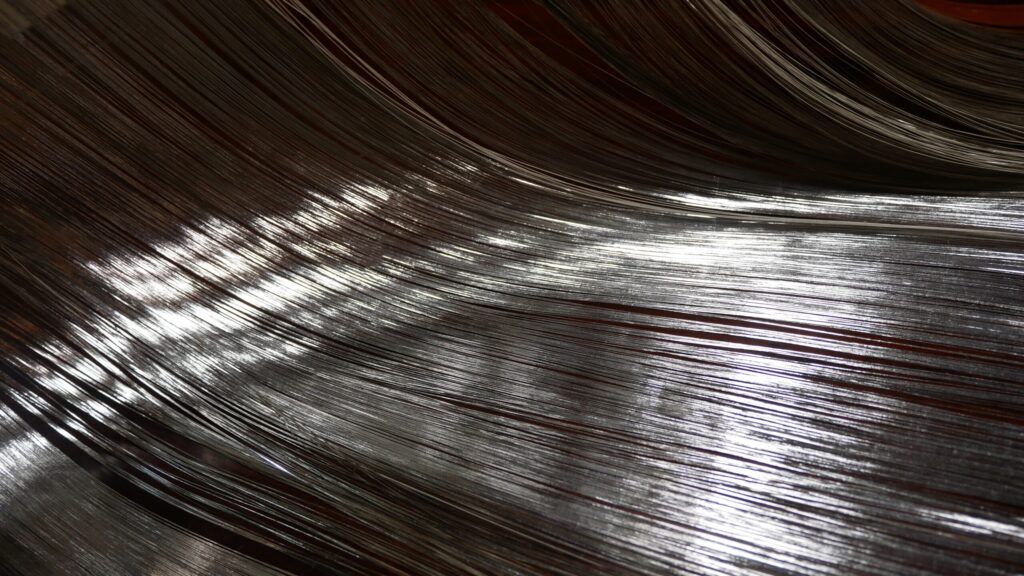
Material before weaving
Each strip is drawn out one by one and woven into the cloth
The platinum foil used in this work is 100% pure platinum.
Below is the certificate of purity.

For readers unfamiliar with hikibaku, the following page provides a detailed explanation.
Visible Lines, Invisible Full-Surface Design
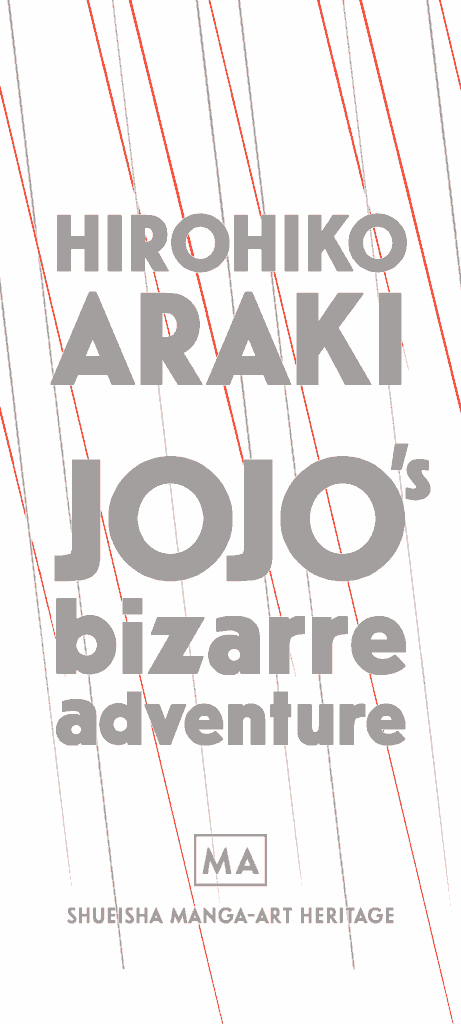
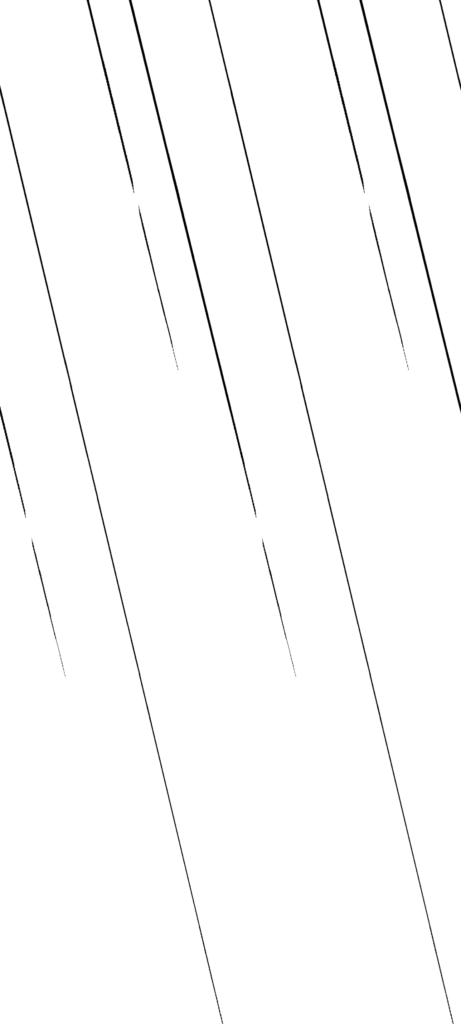
The lines visualized as “rain” in the work use pure platinum hikibaku.
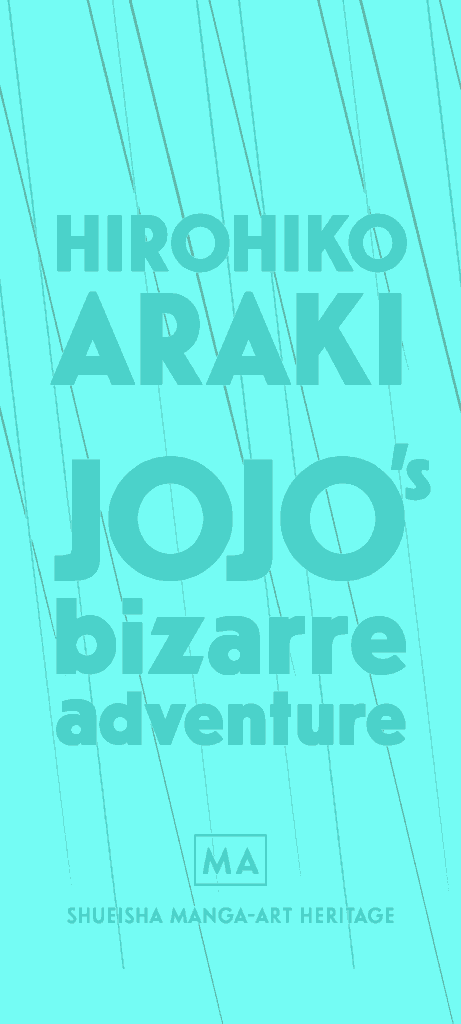
In practice, however, pure platinum hikibaku is woven throughout the entire textile, so that only the rain lines rise to the surface.
At close range, the density becomes visible. From a distance, it settles into a quiet plane.
The design, provided by Shueisha, was intended to maintain a clear presence in space without becoming overly decorative.
In the three images below, the left image shows the front view, where only the red parts reveal the pure platinum hikibaku.
The center image isolates the rain area itself.
In the right image, the light blue area indicates where the pure platinum hikibaku is actually woven.
Most of the pure platinum hikibaku remains hidden inside the textile and does not appear on the surface.
Hand-Inserted Weft Detailing with Pure Platinum Thread
Pure platinum thread is not woven across the whole surface. Instead, it is inserted weft by weft along the design, using a hand process called nuitori, in which only the required motif is woven in.
Please look at the two images below.
In the left image, the red area shows the part where the pure platinum thread is visible from the front.
In fact, as shown in light blue in the right image, the pure platinum thread continues in the nuitori structure even in areas that cannot be seen from the front.
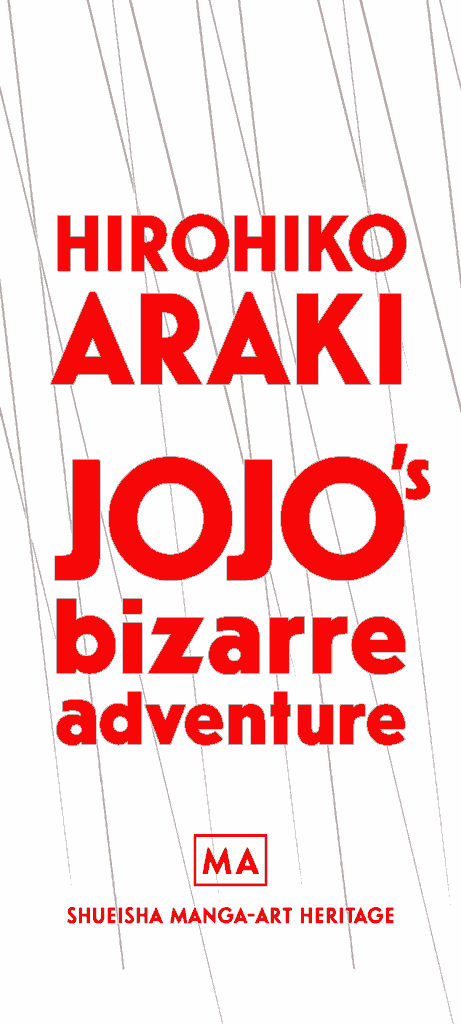

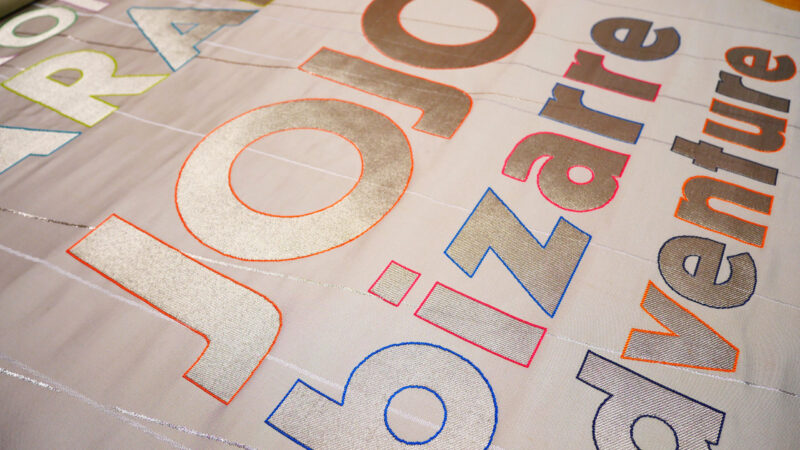
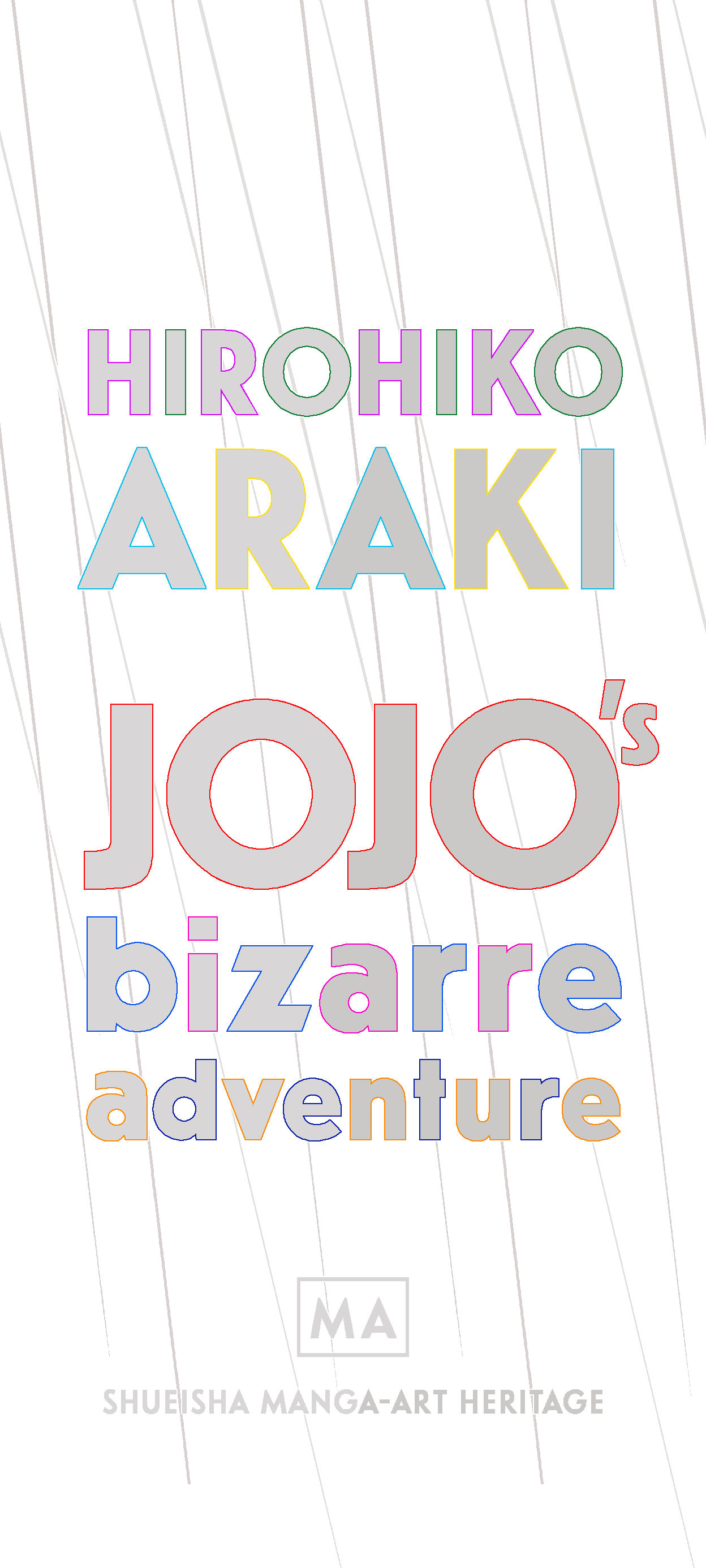
Outlined Lettering
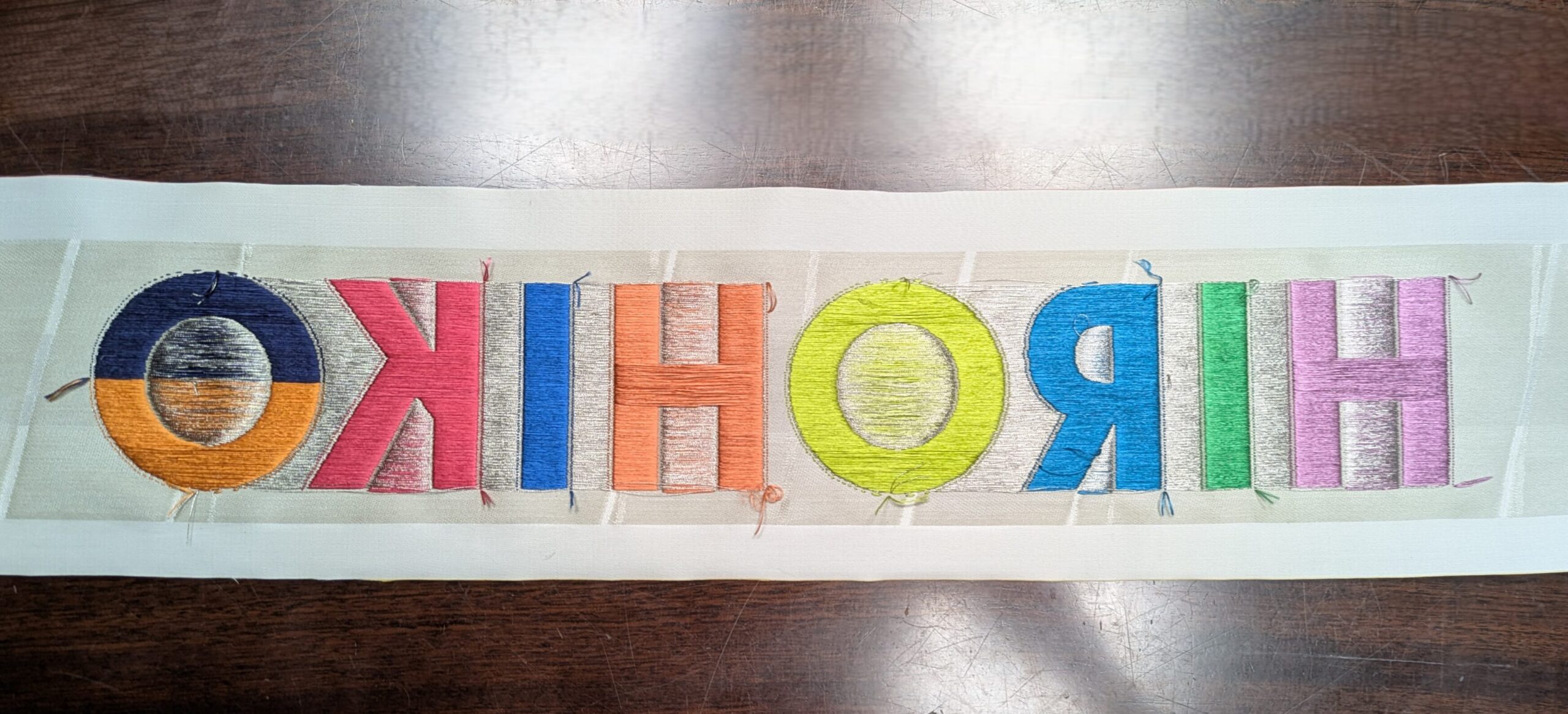
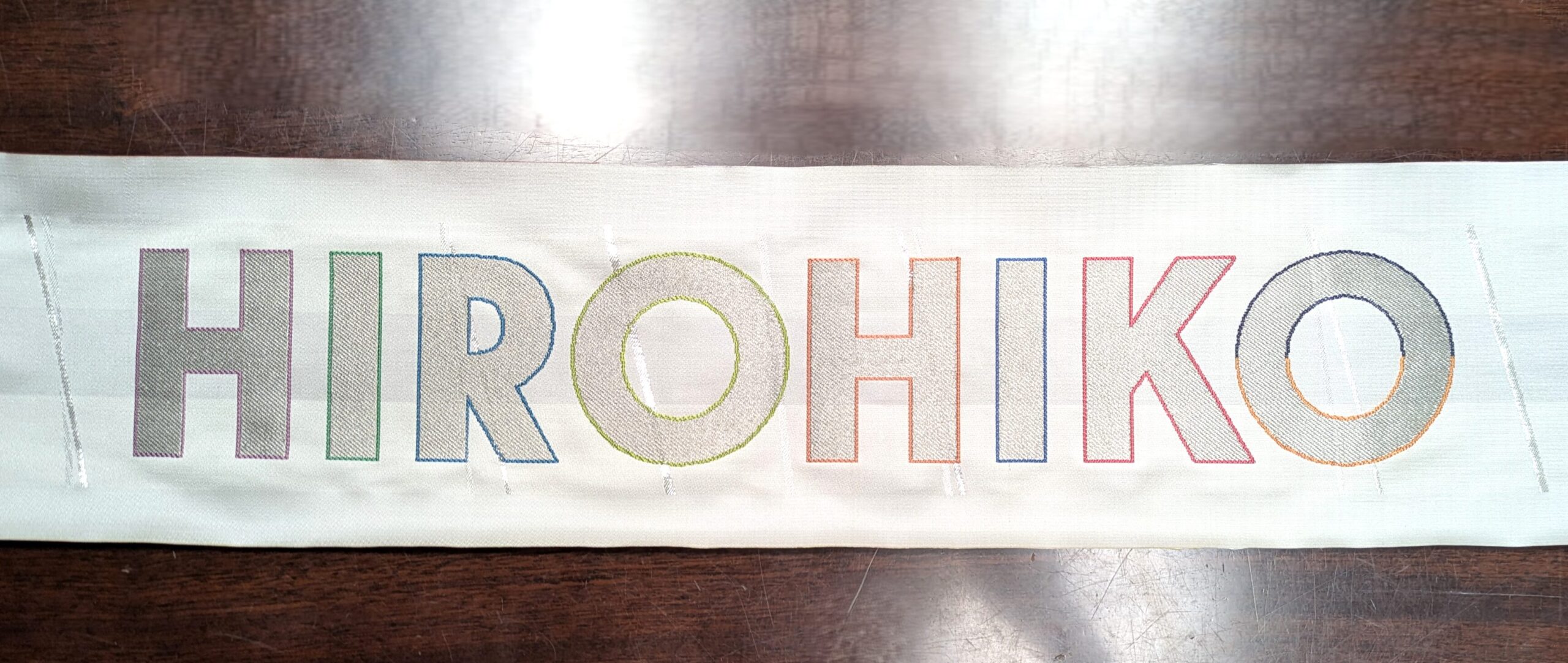
The interior of the lettering uses pure platinum thread, while the outlines are formed in silk through fuchikukuri nuitori detailing.
The color arrangement was developed in nine colors to match the visual world of the work.
We also examined multiple samples for the thickness of the outlines before determining the final balance.
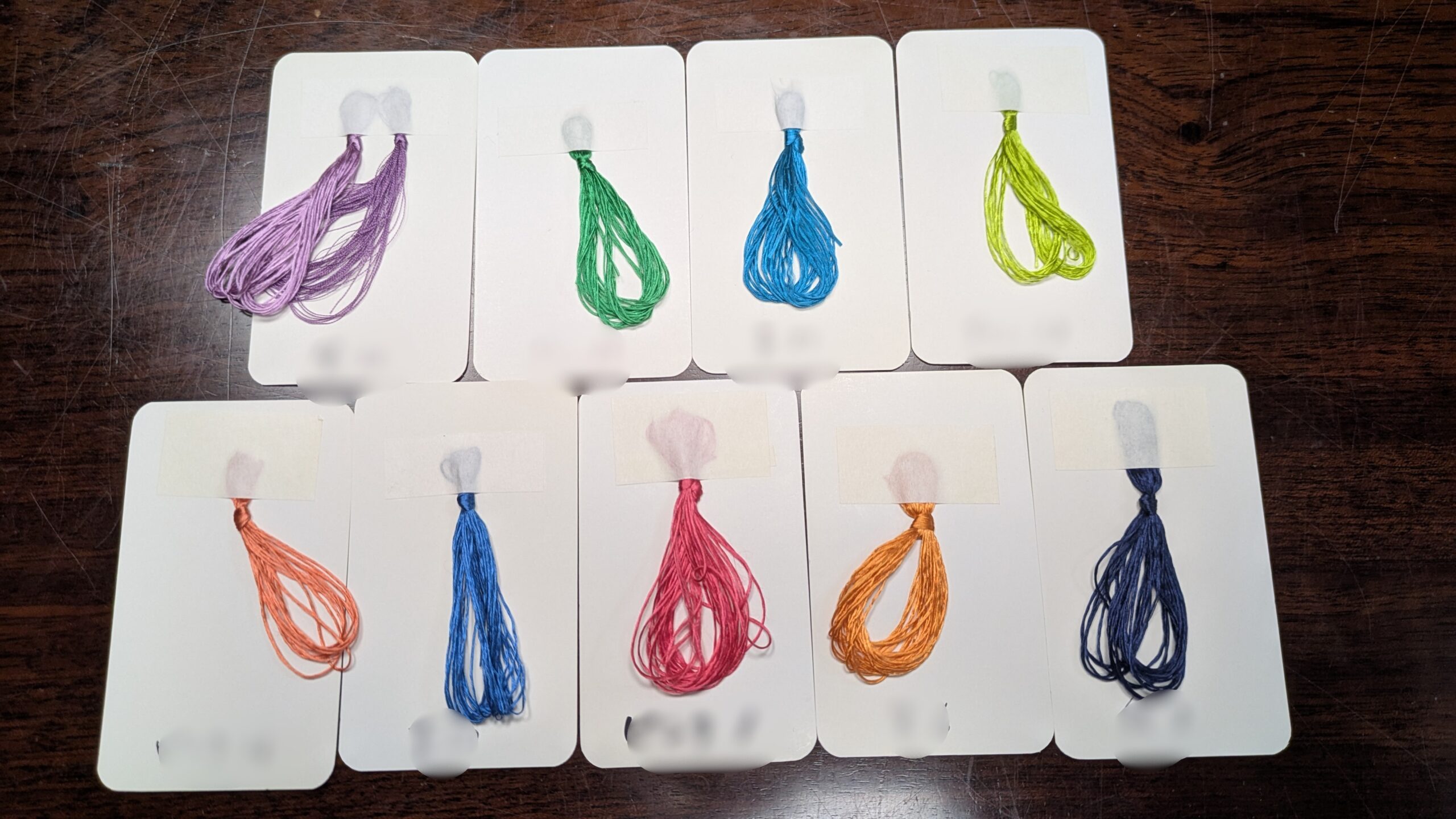
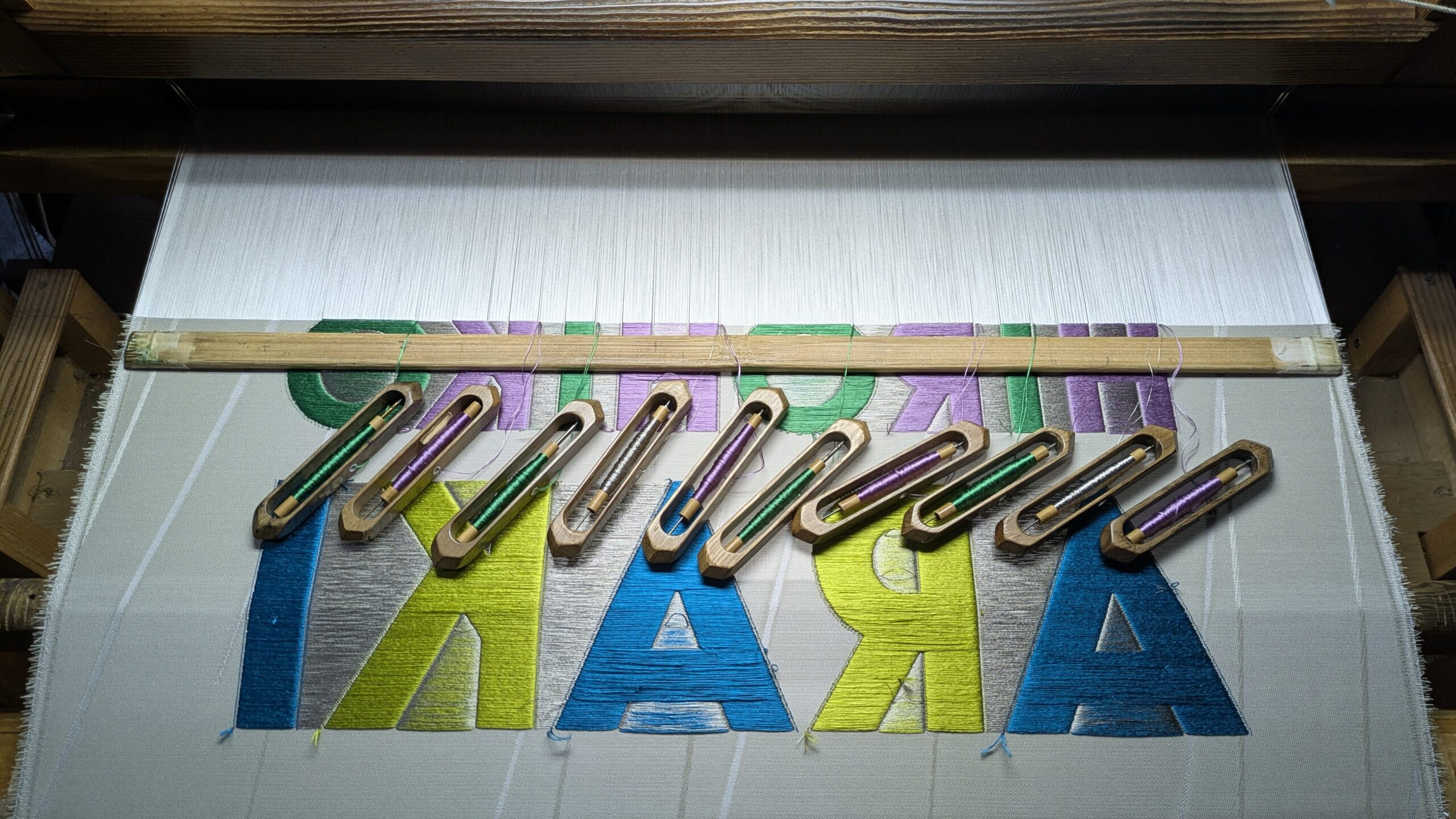
The left image shows a sample seen from the reverse side. The right image shows it from the front.
Production Period and Design Meetings
This work was developed through repeated stages of material selection, design, prototyping, weaving, and nuitori detailing, with each step tested and adjusted to arrive at the final balance between image and material.
At Okamoto Orimono, we can discuss material design and weaving design for interiors and spatial projects.
We translate proposed designs into textile structures that can actually be woven.
About the Project
This project was commissioned by Shueisha through Kyoto Amplitude.
Based on the supplied design image, our role was to create the weaving data, develop the textile structure and material plan, and produce the cloth as a woven work.
Note: This article is intended to introduce the production process of the work.
Working on This Piece
This work stands on the dignity of the design and materials, and on the accumulated processes of Nishijin weaving.
Seen in person, it holds both dense visual information at close range and composure from a distance.
Those qualities are difficult to convey fully in photographs, and that is precisely where the value of the textile resides.
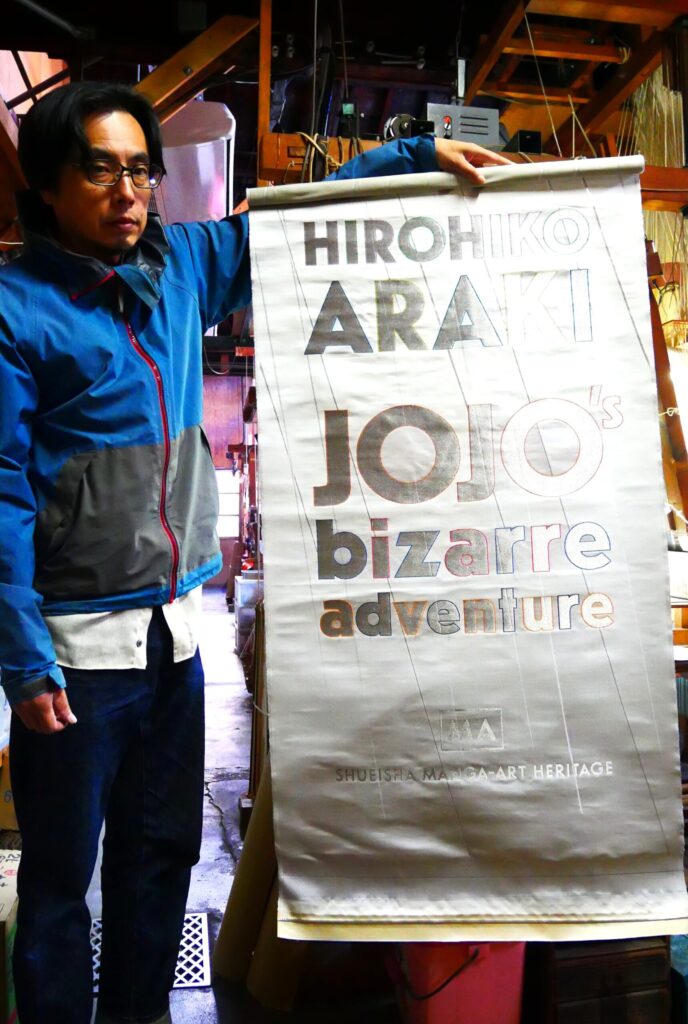
certified traditional artisan of Nishijin weaving,
with the finished textile after removing it from the loom
Exhibition Information
Hirohiko Araki “JoJo’s Bizarre Adventure” (Tokyo / Exhibition 2)
Dates: March 3, 2026 – April 19, 2026
Venue: Shueisha Manga-Art Heritage Tokyo Gallery (Azabudai Hills)
Admission: Free
Inquiries for Special Commissions
Okamoto Orimono creates textiles for architectural interiors, art installations, and brand projects.
Our role is to select materials and develop weaving structures that allow a design to become a viable textile.
We accept consultations for special commissions in Nishijin Kinran for interiors, spatial use, and one-of-a-kind projects.
We can work from material design to the translation of the design into textile form, including prototyping.
Quotations are prepared after confirming the project specifications.
- Design meetings: discussed based on motif, materials, lighting conditions, and viewing distance
- Production period: approximately one year
- Price: quoted according to project specifications
Handwoven pieces are not normally available for general custom orders.
Most standard custom production is carried out on power looms (shuttle looms).
This work was produced as an exhibition art piece commissioned by Shueisha, and our company president undertook it as a rare handwoven project.